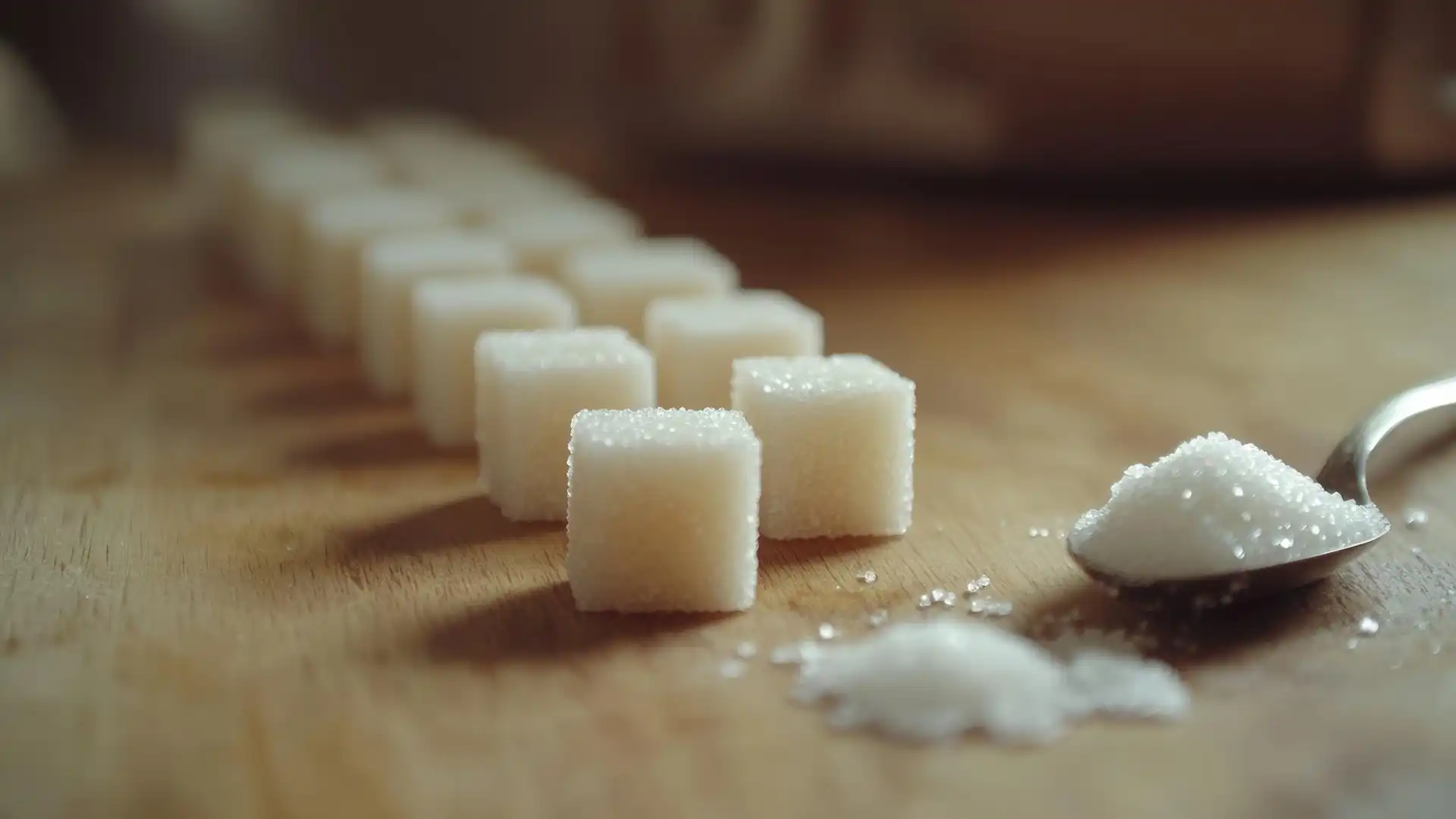
White sugar is one of the most widely consumed ingredients globally, found in everything from beverages and desserts to processed foods. Whether sweetening your morning tea or savoring a slice of cake in the afternoon, sugar is an integral part of many culinary delights.
But have you ever considered the potential health impacts of excessive white sugar consumption? Concerns about its link to various health issues are growing. Does this mean you must completely forgo the sweet flavors you love? Each gram of white sugar delivers a significant amount of calories, which can accumulate quickly, potentially leading to weight gain, diabetes, and cardiovascular diseases. So, is there a way to enjoy sweetness without these consequences?
In this article, we’ll take a detailed, science-based look at the calorie content of white sugar and its effects on your health. We’ll also compare it to other sweeteners and provide practical tips to reduce your sugar intake while still enjoying delicious flavors.

Nutritional Value of White Sugar
White sugar, scientifically known as sucrose, is derived from sugarcane or sugar beets. After extraction and refining, it becomes the familiar white crystals used in daily life. Despite its sweet taste and energy boost, white sugar is considered nutritionally empty. It lacks essential nutrients like vitamins, minerals, or fiber, serving only as a source of simple carbohydrates and pure energy.
Calorie Content of White Sugar
Here’s a breakdown of the calorie content of white sugar in various measurements:
Per gram: Approximately 4 kilocalories.
One teaspoon (about 4 grams): Around 16 kilocalories.
One tablespoon (about 12 grams): Approximately 48 kilocalories.
100 grams: About 387 kilocalories.
At first glance, these numbers may seem small, but sugar consumption adds up quickly throughout the day from sources like sweetened drinks, desserts, sauces, and more. This rapid accumulation can contribute to weight gain and other health issues. Excessive white sugar intake increases the risk of obesity, type 2 diabetes, cardiovascular diseases, and other health problems, making it crucial to control consumption and consider healthier sweetener alternatives.
Comparing White Sugar Calories to Other Sweeteners
To better understand white sugar’s calorie content, let’s compare it to other common sweeteners. This comparison will help you make informed choices to manage your sugar intake effectively.
Sweetener | Calories per Gram | Key Notes |
|---|---|---|
White Sugar | 4 kcal | No nutrients, rapid absorption, spikes blood sugar |
Brown Sugar | 3.8 kcal | Contains some molasses and minerals, caramel flavor |
Honey | 3 kcal | Rich in antioxidants, high fructose, antimicrobial properties |
Stevia | Near zero | Natural, calorie-free, ideal for weight control |
Erythritol | 0.2 kcal | Minimal blood sugar impact, diabetic-friendly, cool taste |
Maple Syrup | 2.7 kcal | Contains minerals and antioxidants |
Agave Nectar | 3 kcal | High fructose content |
Due to its high calorie content and lack of nutritional value, white sugar is not an ideal daily sweetener. Overconsumption can lead to weight gain, diabetes, and other health issues. Alternatives like stevia and erythritol, with low or no calories and minimal impact on blood sugar, are healthier options for daily use.
Health Impacts of White Sugar
Excessive white sugar consumption can have detrimental effects on your health, including:
Obesity and Weight Gain: White sugar is calorie-dense but lacks satiating nutrients, leading to overeating and weight gain.
Type 2 Diabetes: Overconsumption may cause insulin resistance, impairing the body’s ability to regulate blood sugar and increasing diabetes risk.
Cardiovascular Diseases: High sugar intake is linked to elevated triglyceride levels and inflammation, contributing to heart disease.
Other Health Issues: Excessive sugar is associated with dental cavities, low energy, skin problems, and even some cancers.
The World Health Organization (WHO) recommends limiting added sugars to 5% of daily calories (about 25 grams or 6 teaspoons). This includes sugars added to foods and drinks but excludes natural sugars in fruits and vegetables.
Tips to Reduce White Sugar Consumption
While excessive sugar can be harmful, you don’t need to eliminate it entirely. Here are practical, effective ways to reduce white sugar intake while still enjoying sweet flavors:
Use Natural Sweeteners: Replace white sugar in baking or cooking with naturally sweet fruits like bananas, dates, or apple puree. These provide sweetness along with fiber and nutrients. Honey, date syrup, or maple syrup are also excellent alternatives for desserts and beverages.
Choose Low-Sugar Products: Check food labels when shopping and select products with lower sugar content. Sugar may appear under names like “corn syrup,” “dextrose,” or “maltose,” so read labels carefully to understand total sugar content.
Gradually Reduce Sugar: If you’re accustomed to adding sugar to tea or coffee, gradually decrease the amount. Your taste buds will adjust to less sweetness over time.
Avoid Sugary Beverages: Industrial drinks like sodas, processed juices, and energy drinks are high in sugar. Opt for water, herbal teas, or homemade fruit juices instead.
Conclusion
Completely eliminating white sugar from your diet isn’t necessary, but mindful consumption and healthier alternatives are key to maintaining your health. White sugar’s calories can add up quickly, leading to unwanted health consequences. By managing your intake and choosing nutrient-rich sweeteners, you can enjoy sweet flavors without worry.
Balery products offer low-calorie, natural sweetener options to help you create a balanced diet. With Balery, you can savor delicious sweetness while prioritizing your health.